I am working on a work deadline and my thoughts drifted to Kristin. Even though it's only been a few months since we've spoken, we are light years apart-again. She got married in September; I wish I had been there. I will always be the reminder. It's a sad person to be. I love her like the sky and the moon, and yet when I hug her I feel like I will burn a hole right through her.
If you want to know what will bring me to tears faster than a funeral, it's a rapist stealing everything I knew and loved: stealing family from me. I just had that burn inside my face when you are about to cry. We desperately need some rain out West; I have plenty of it in this heavy head.
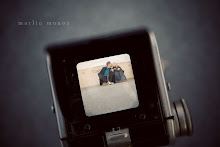
Here we are above in our grown up work headshots-so similar yet so very far apart.
And why did I think of her while working on a deadline? I didn't realize I was listening to Fiona Apple's Tidal. It was playing in my ears when I was attacked. The disc dropped out of the player and rolled along the wooden floor. That's where her wave crashed.
If you want to know what will bring me to tears faster than a funeral, it's a rapist stealing everything I knew and loved: stealing family from me. I just had that burn inside my face when you are about to cry. We desperately need some rain out West; I have plenty of it in this heavy head.
Here we are above in our grown up work headshots-so similar yet so very far apart.
And why did I think of her while working on a deadline? I didn't realize I was listening to Fiona Apple's Tidal. It was playing in my ears when I was attacked. The disc dropped out of the player and rolled along the wooden floor. That's where her wave crashed.
I guess one may ask why I would ever listen to it again. Remembering the way things were is important to me: not just for the loss but for all that I had in my imperfectly gorgeous 22 year old world. I listen to it because I own this memory; it does not own me. I listen because I make choices. It is not my choice to have these memories; it is my choice to own them.
Most of all I listen because it reminds me of Kristin in her bellbottom pants and platform shoes. She was always a celebration: full of color, kindness and biting wit. We were branches of a strong, wise tree. We were both women's studies minors, she took self defense classes. We had things under control.
Don't ever live your life in fear, but don't think it can't happen to you.
Don't ever live your life in fear, but don't think it can't happen to you.